On-farm potential actions
Climate
Emissions reduction
Greenhouse gas
Livestock
On-farm actions
Soil
Explore actions New Zealand farmers can take to reduce greenhouse gas emissions effectively.
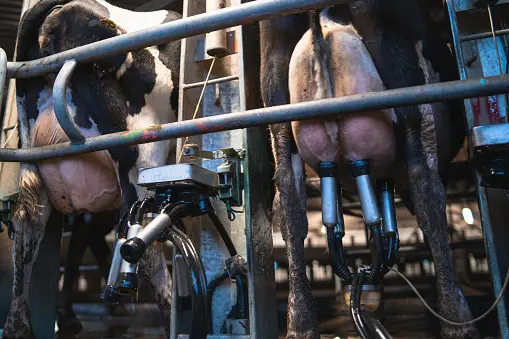
Once-a-day milking (OAD) is a farming practice where cows are milked only once each day. This method can reduce greenhouse gas emissions and lower feed costs, which may help keep farms profitable. Initially, cows produce less milk, but this can lead to lower feeding needs and cut labour expenses.
This guide explains some of the key things you'll need to think about before you move to OAD and provides tips on tracking your current emissions so you can see if the changes will be worth it.

Explore actions New Zealand farmers can take to reduce greenhouse gas emissions effectively.
Find out about a no-cost method to reduce your dairy farm's greenhouse gas emissions.
Find science-backed actions to cut greenhouse gas emissions on your farm.
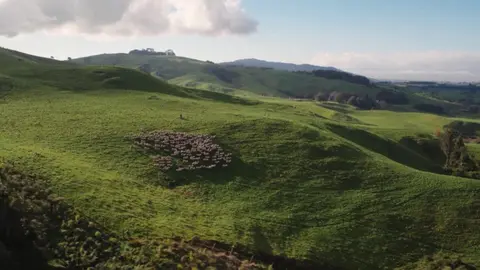
Learn ways to lower greenhouse gas emissions on your farm with practical steps and tips.
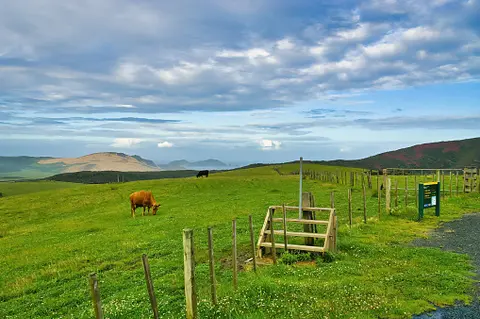
Learn about reducing methane emissions on your farm.
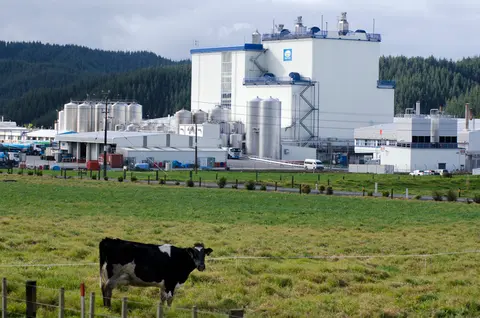
Learn how to manage greenhouse gas emissions on your farm.
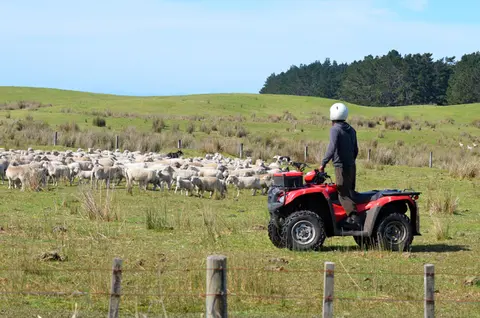
This resource outlines methods to reduce agricultural greenhouse gas emissions in New Zealand.
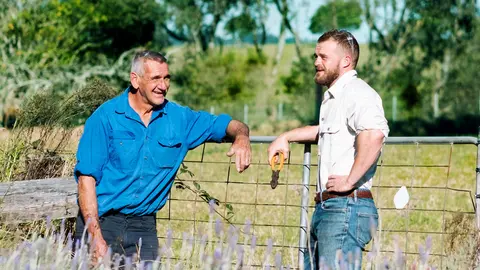
Learn how you can reduce your greenhouse gas emissions while staying profitable.
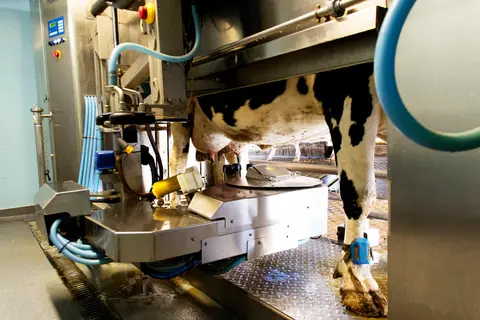
Learn about robotic milking and its impact on our dairy industry.

Practical steps for planning, boosting, and caring for native biodiversity on your farm.
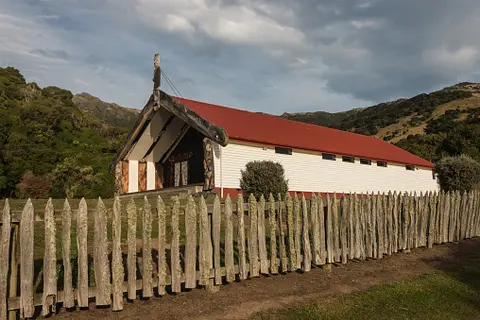
Learn about whenua Māori governance, its structures, and why it's important.
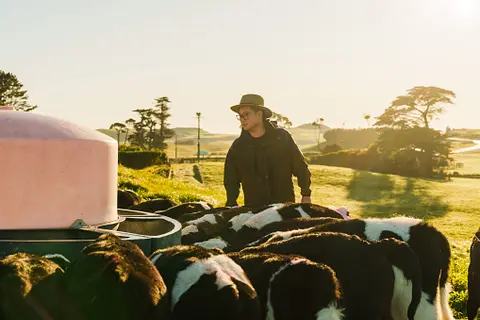
Explore new technologies for reducing on-farm greenhouse gas emissions from your farm.
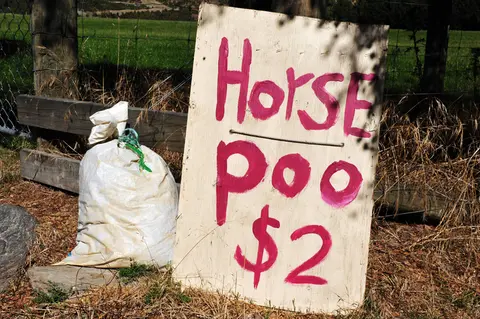
Understand different manure storage options to reduce methane emissions on livestock farms.
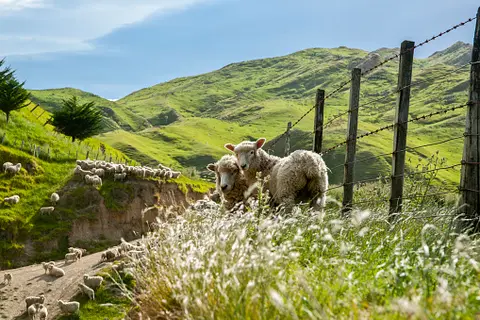
Learn how to reduce farm emissions by improving animal performance and adjusting stocking rates.
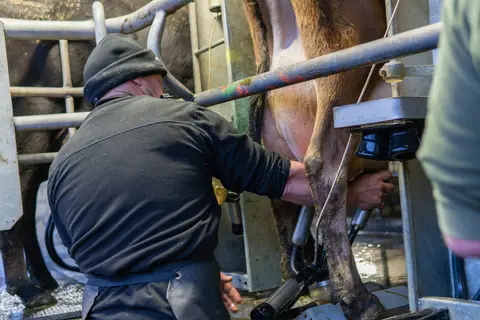
Evaluate switching to once-a-day (OAD) milking with this decision matrix tool.
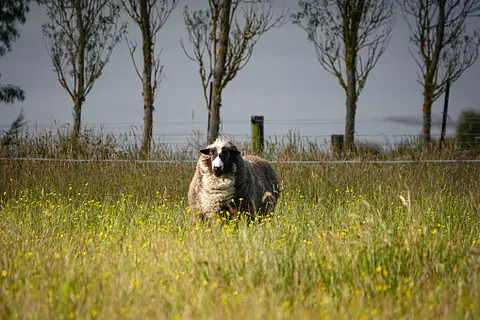
Research about reducing greenhouse gas emissions on Māori farms in New Zealand.
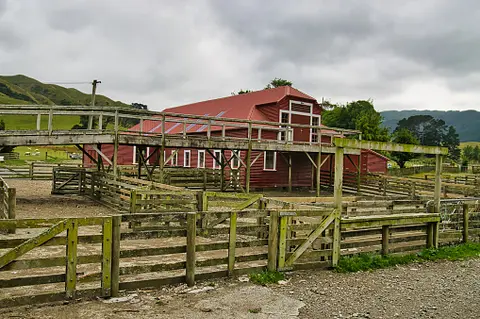
Learn how winter housing can reduce greenhouse gas emissions from livestock.
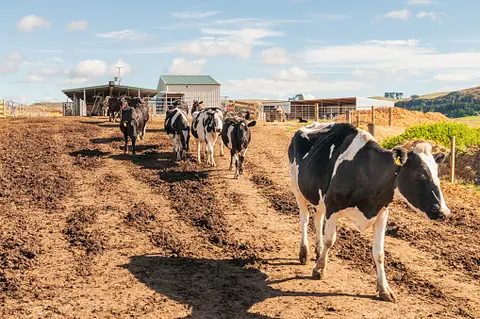
Get guidance on reducing emissions on your fairy farm.
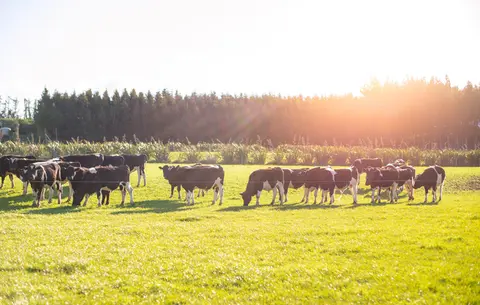
Learn about different on-farm solutions for reducing greenhouse gas emissions from dairy farms.
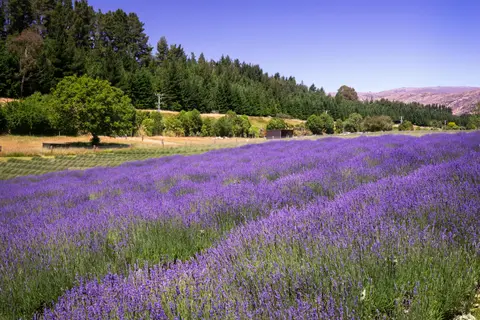
Understand how land use change can lower greenhouse gas emissions on farms.
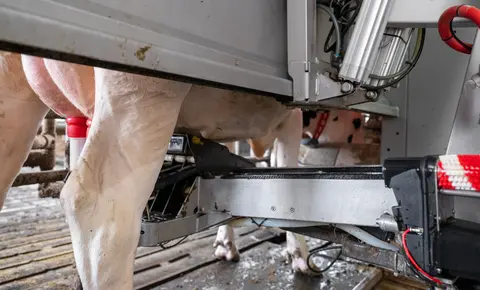
Read about the Greenfield Project which showed that automated milking can be successful within a New Zealand pastoral system.
This research reviews biochar's potential to lower greenhouse gas emissions in New Zealand agriculture.
This guide explains how to cut nitrogen use, reducing nitrous oxide emissions on farms.