Climate change impacts and implications for New Zealand to 2100 (Lowland case study)
Climate
Adaptation
Biodiversity
Community
Conservation
Flooding
Planning
Policy
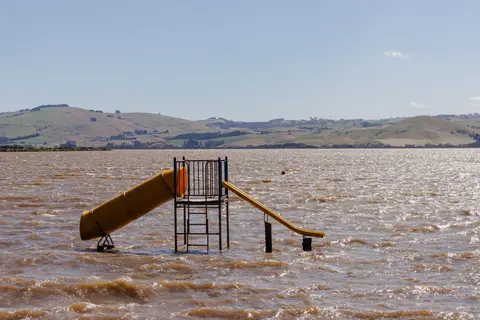
Read how climate change to 2100 could play out for a Bay of Plenty lowland.
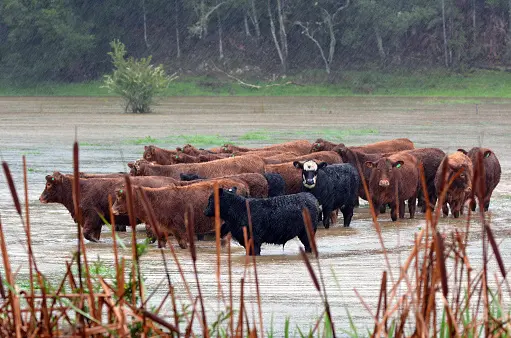
This report explores how climate change could affect the suitability of farming, forestry and horticulture across Aotearoa, and the flow-on effects for waterways and other receiving environments.
It draws on modelling at three different scales: detailed crop modelling for three case-study regions, Hawke's Bay, Southland and Waikato; broader modelling at a regional scale; and simple climate indices applied nationally.
The Deep South and Our Land and Water National Science Challenges published the report in 2019, drawing together several different models and a range of assumptions that are set out in full in the report itself.
Read how climate change to 2100 could play out for a Bay of Plenty lowland.
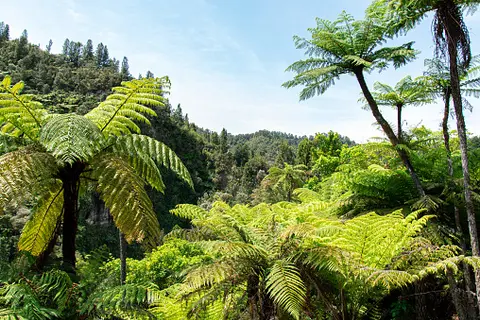
Read how climate change could reshape farming and land use out to 2100.
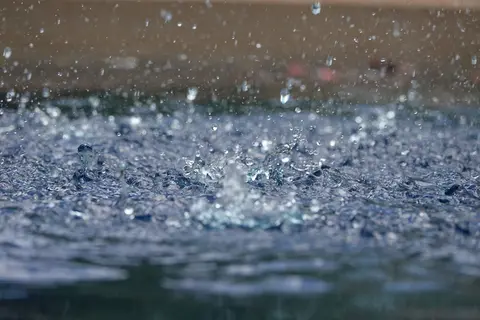
This research explains how climate change affects heavy rainfall in Aotearoa.
Hear about how climate change could reshape agriculture and land use decisions in Aotearoa.
See different climate change scenarios for New Zealand and their potential impacts.
Explore how well cherries could grow in your rohe by 2050 as the climate changes.
This report explores climate change impacts on New Zealand agriculture.
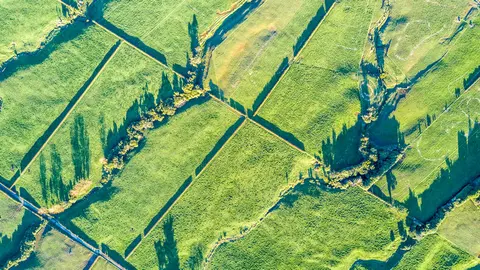
Read about the impacts different Aotearoa land use change scenarios might have on cliamte and socio-economic outcomes.
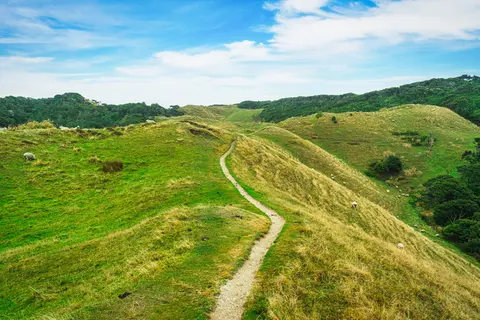
This study models soil loss, which is a major issue for Aotearoa farms and the environment.
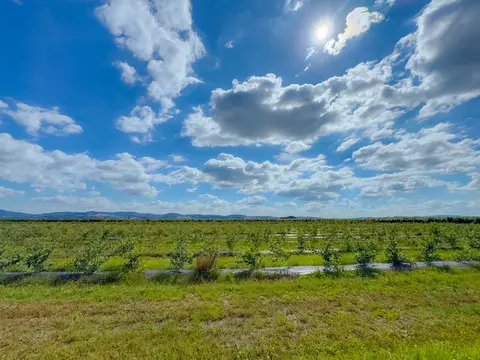
Compare suitability and yield potential across a wide range of crops.
Discover how much mānuka honey the whenua in your rohe could produce each year.
A report into climate resilience in Aotearoa's land and food systems.
Learn how to create effective adaptation pathways for climate change in primary industries.
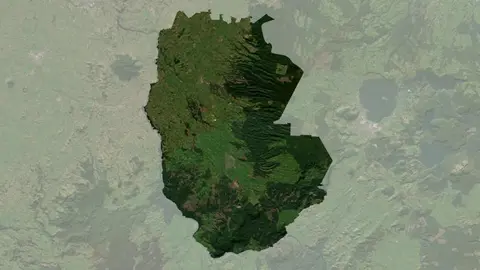
Understand climate event and variability trends for South Waikato District.
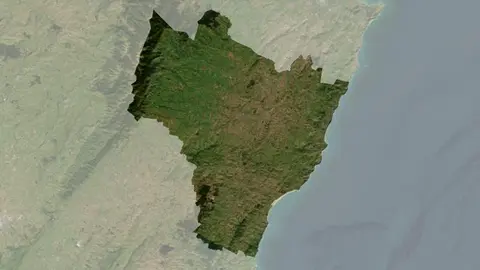
Understand climate event and variability trends for Central Hawke's Bay District.
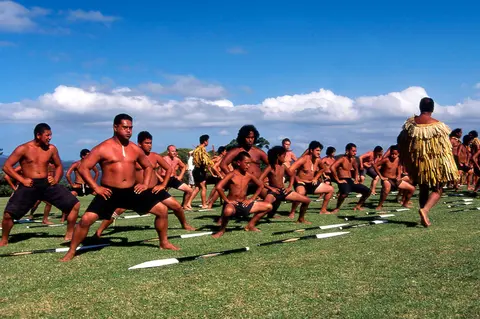
This report explores ways to improve Māori land resilience against climate change through afforestation.
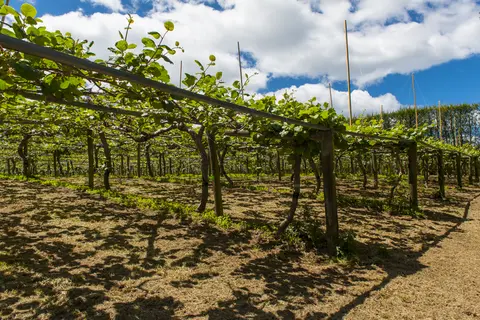
Learn how well kiwifruit could grow in your rohe by 2050 as the climate changes.
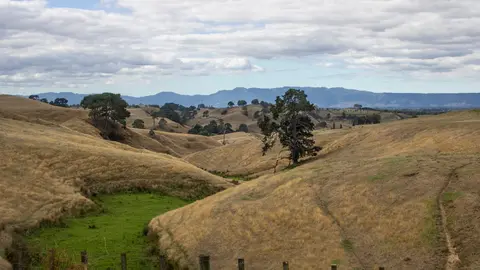
Learn about how climate change will impact Waikato and what communities can do.
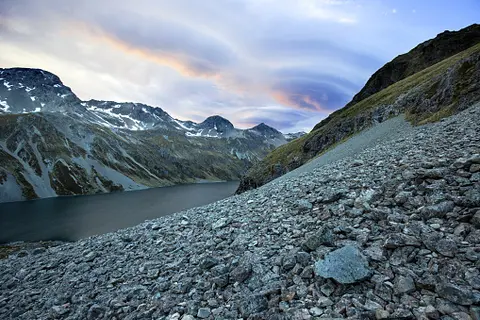
Find out how climate change could shift sediment loads in your local rivers.
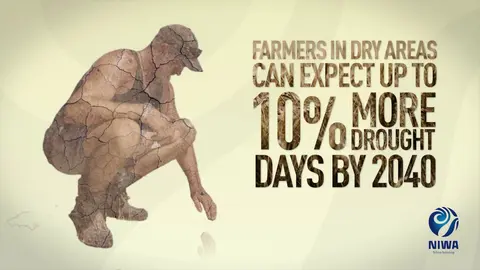
Learn about climate change in Aotearoa and how science helps us adapt.
Understand the impacts that land use in Aotearoa has on people, whenua, and te taiao.
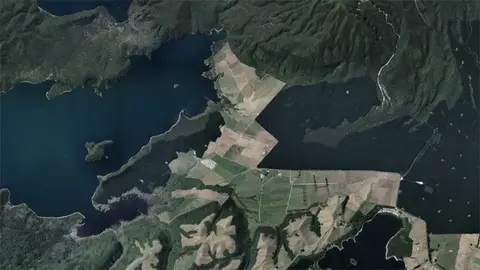
This report uses two case studies to illustrate different ways that diversified Māori agribusinesses can reduce greenhouse gas emissions and increase profits.

Find out how well avocados could grow in your rohe by 2050 as the climate changes.