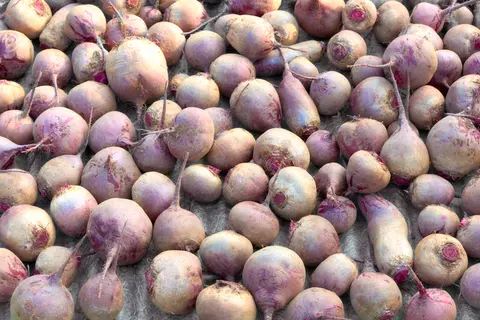
Reducing New Zealand's agricultural greenhouse gases: Low greenhouse gas feeds
Climate
Emissions reduction
Greenhouse gas
Livestock
Research into different ways to reduce greenhouse gas emissions from New Zealand agriculture.
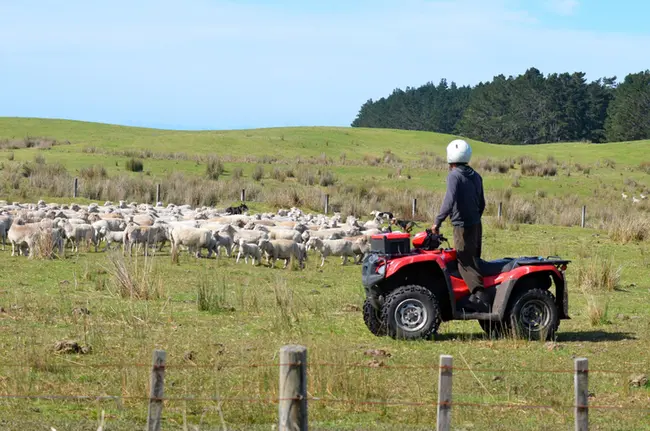
This report from 2016 explains how farmers can reduce greenhouse gas emissions from agriculture. It highlights important gases like methane and nitrous oxide and shows that while emissions per unit of milk or meat have fallen, total emissions have increased due to higher production.
This resource trends in improving farming practices, such as better feed, animal genetics, and soil management. It also discusses emerging technologies, including breeding animals that produce less methane and using special feeds.

Research into different ways to reduce greenhouse gas emissions from New Zealand agriculture.
Learn ways to lower greenhouse gas emissions on your farm with practical steps and tips.
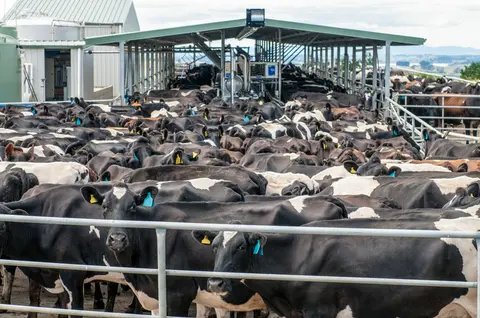
Learn about dairy farm emissions, their impacts, and ways to reduce them without affecting your profitability.
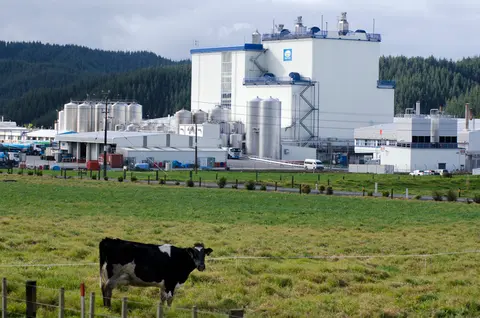
Learn how to manage greenhouse gas emissions on your farm.
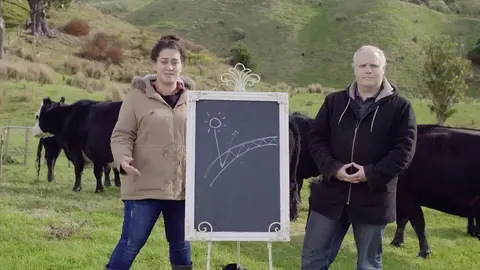
Learn how human actions change our climate and impact farming through greenhouse gases.
The science behind agricultural methan, nitrous oxide emissions, and climate change.
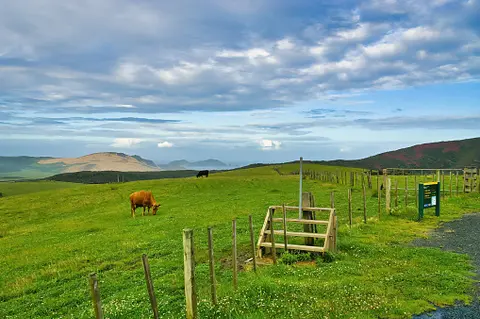
Learn about reducing methane emissions on your farm.
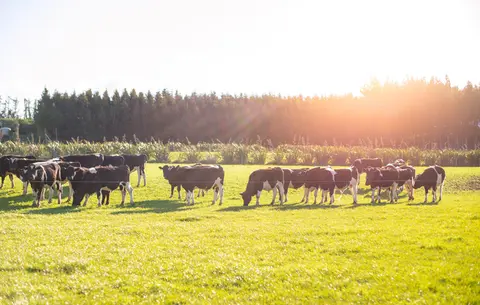
Learn about different on-farm solutions for reducing greenhouse gas emissions from dairy farms.
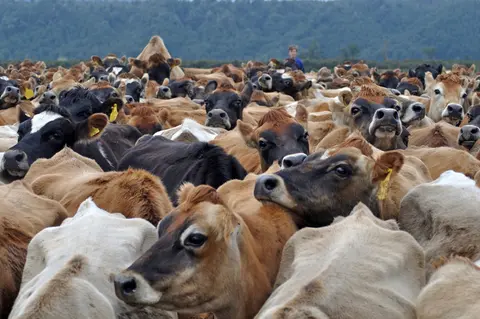
Learn how dairy farmers in New Zealand can reduce greenhouse gas emissions effectively.

Farmers Rob and Mary Andrews share their experiences managing Mount Hikurangi farms.
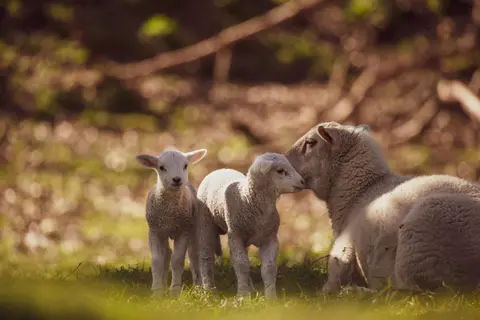
Learn how to achieve fast lamb growth with effective management and pasture quality tips.
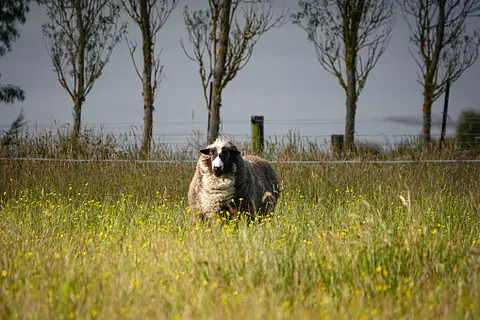
Research about reducing greenhouse gas emissions on Māori farms in New Zealand.
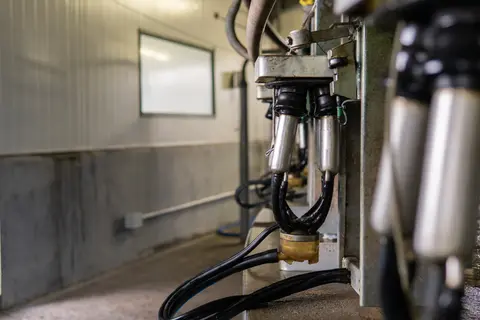
Find out about a no-cost method to reduce your dairy farm's greenhouse gas emissions.
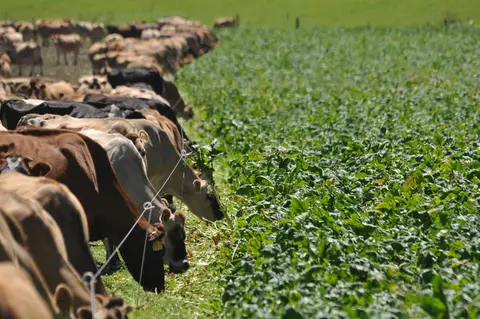
Discover feeds that lower methane and nitrogen emissions in sheep and beef farming.
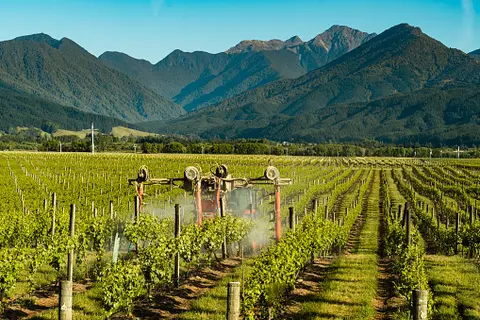
Find out how much greenhouse gas a typical cropping farm produces.
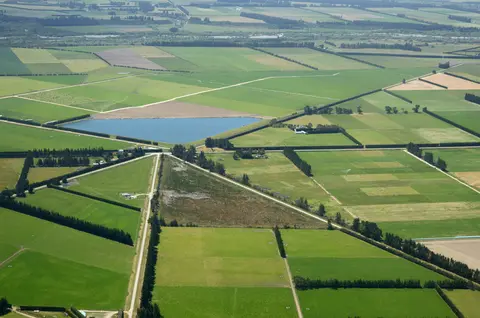
Learn about farming's impact on greenhouse gases and MPI's efforts to reduce emissions in New Zealand.
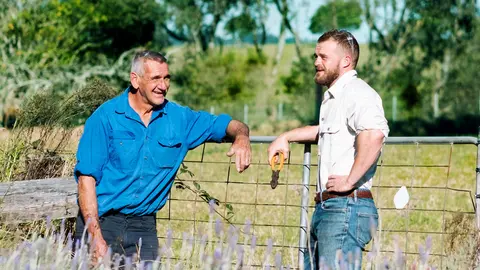
Learn how you can reduce your greenhouse gas emissions while staying profitable.
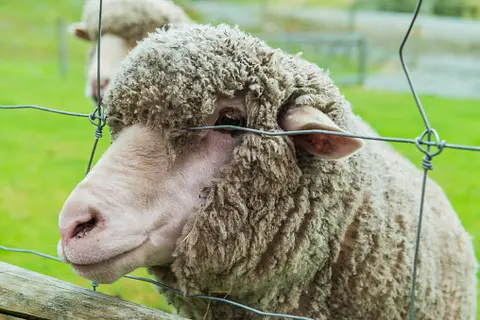
A report on New Zealand's livestock methane emissions and their impacts.
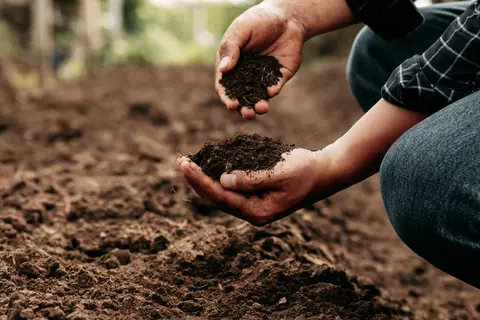
Research assessing the greenhouse gas emissions impacts of different types of feed.
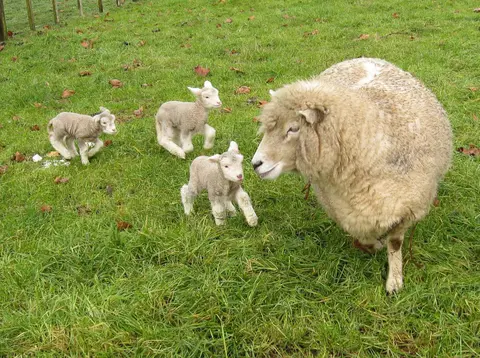
This report explores future options to reduce agricultural greenhouse gas emissions in New Zealand.
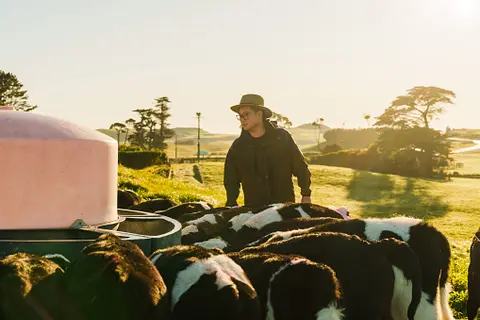
Explore new technologies for reducing on-farm greenhouse gas emissions from your farm.
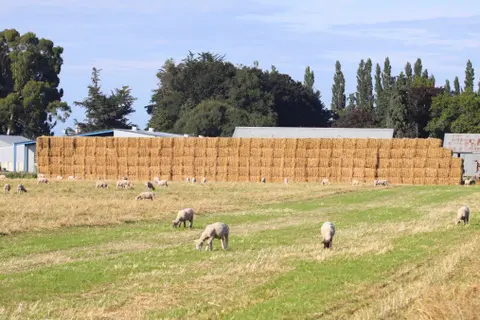
Learn how NZ's sheep and beef farms are improving efficiency while reducing greenhouse gas emissions.
This guide explains how to cut nitrogen use, reducing nitrous oxide emissions on farms.