Beyond Utility: The Role of Fairness and Reciprocity Among Kiwi Farmers
Climate
Collaboration
Community
Policy
Sustainability
Explore Kiwi farmers' focus on fairness and reciprocity in environmental decisions.
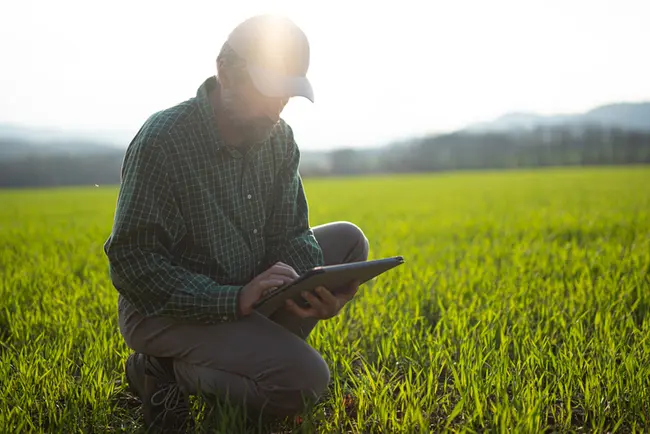
This research explores what matters more to farmers: fairness or maximising production. It shows that farmers care deeply about how burdens, like sustainability targets, are shared among them.
Many farmers support limits that might lower production if they feel the burdens are fairly spread. For example, farmers believe those struggling financially should get easier targets, while those not putting in effort should face tougher ones. The findings stress the importance of fairness in any sustainability discussion.
Understanding farmers' views on fairness can lead to more effective sustainability practices and better cooperation in the farming community.

Explore Kiwi farmers' focus on fairness and reciprocity in environmental decisions.
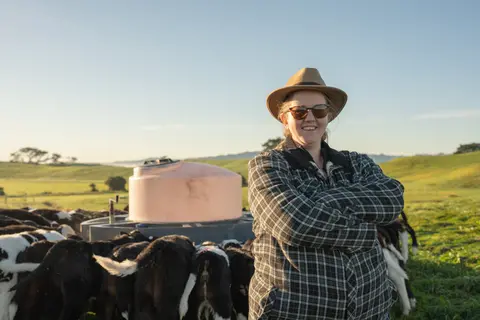
Explore how dairy farmers in the South Island view climate change and how it factors in their decision-making.
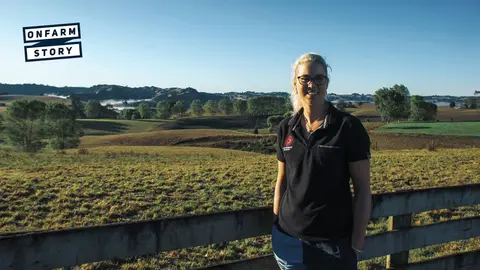
Chelsea Smith shares her experiences as a dairy farmer focused on sustainability and teamwork.

This research tries to understand why people won't adopt practices to reduce farm emissions, even if the change costs nothing.
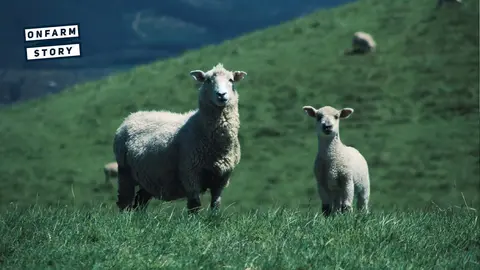
Young farmers Ross and Jo discuss loneliness and building community in rural farming life.
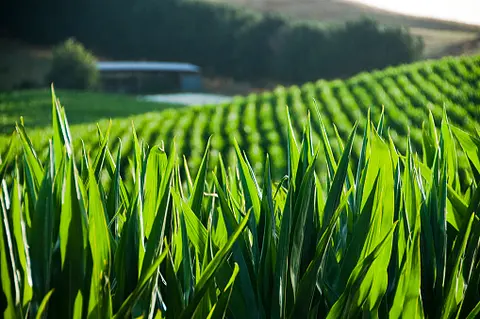
The NZ Sustainability Dashboard helps farmers track and improve their sustainability efforts.
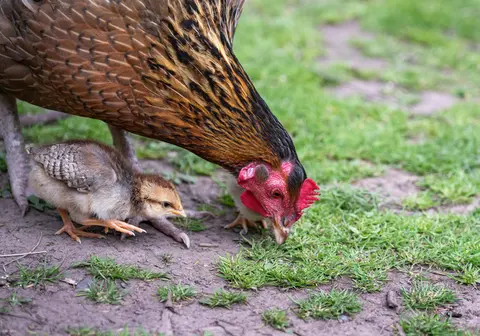
Learn how sustainable farming helps New Zealand regain public trust and improve practices.
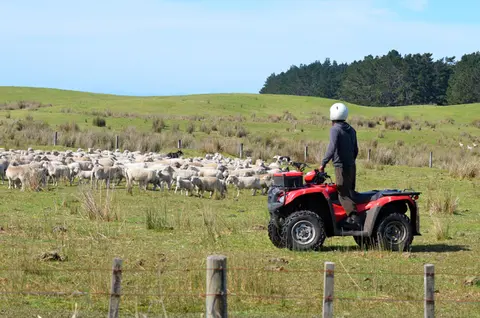
This resource outlines methods to reduce agricultural greenhouse gas emissions in New Zealand.
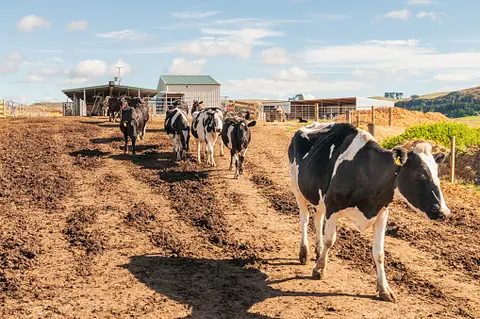
Get guidance on reducing emissions on your fairy farm.
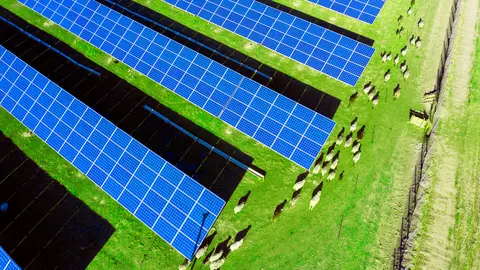
This report explores the potential and opportunity of agrivoltaics in Aotearoa.
Explore New Zealand's plans for reducing greenhouse gas emissions by 2050.
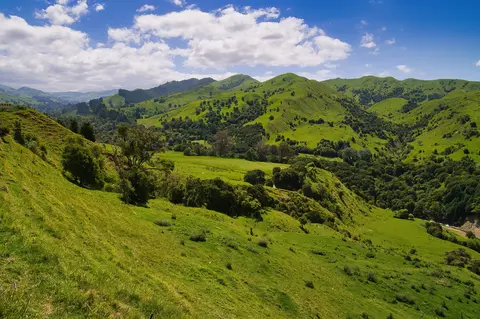
Learn about sustainable Māori forestry and agriculture for climate resilience on the East Coast.
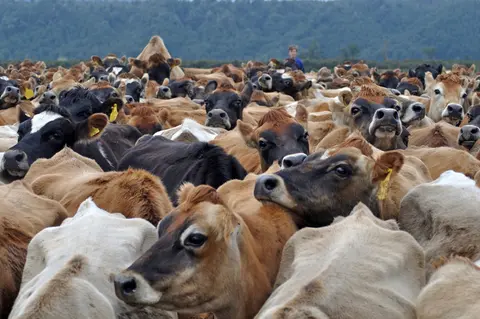
Learn how dairy farmers in New Zealand can reduce greenhouse gas emissions effectively.

This research paper explores how climate impacts land values in Aotearoa agriculture.
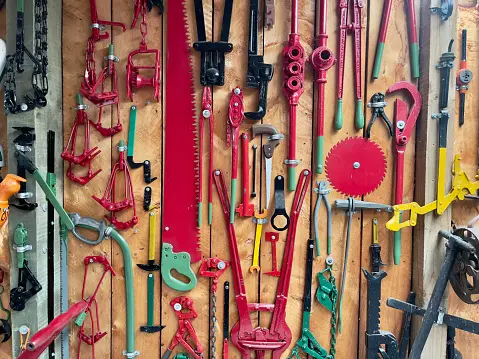
Local insights on climate risks and adaptation costs for Aotearoa farmers.
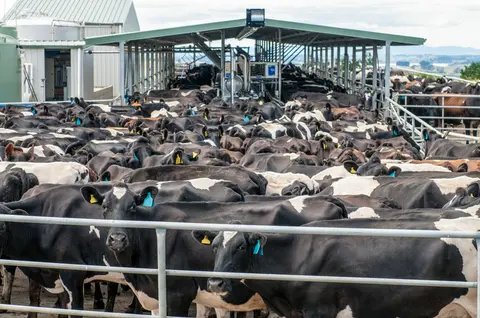
Learn about dairy farm emissions, their impacts, and ways to reduce them without affecting your profitability.
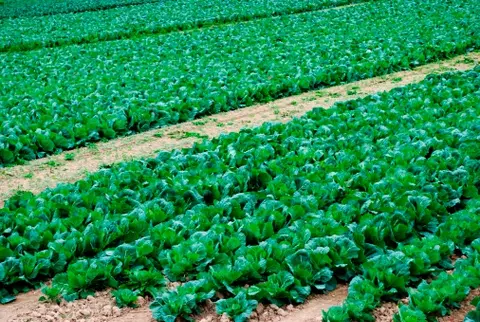
Get a different view of New Zealand's food sector's future, focusing on sustainability and innovation.

This case study explores what it means to farm in alignment with Māori values and how it can improve the environment.

A Taitokerau farm is using on sustainable practices to improve production efficiency, reduce emissions, and protect the Mangakahia catchment.

This paper explores challenges and opportunities for Māori landowners in native forestry.
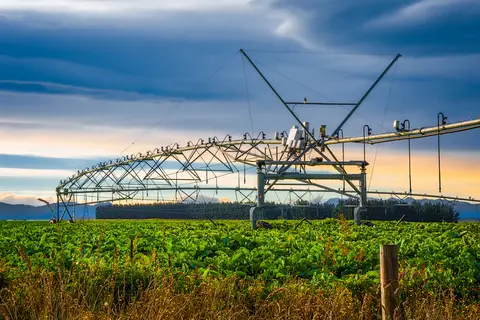
Learn how cropping and horticulture can reduce greenhouse gas emissions in New Zealand.

Explore how soil supports farming, impacts the environment, and learn about possible solutions for healthier farming practices.
Strategies for Māori farms to reduce greenhouse gases to meet the Zero Carbon targets.